
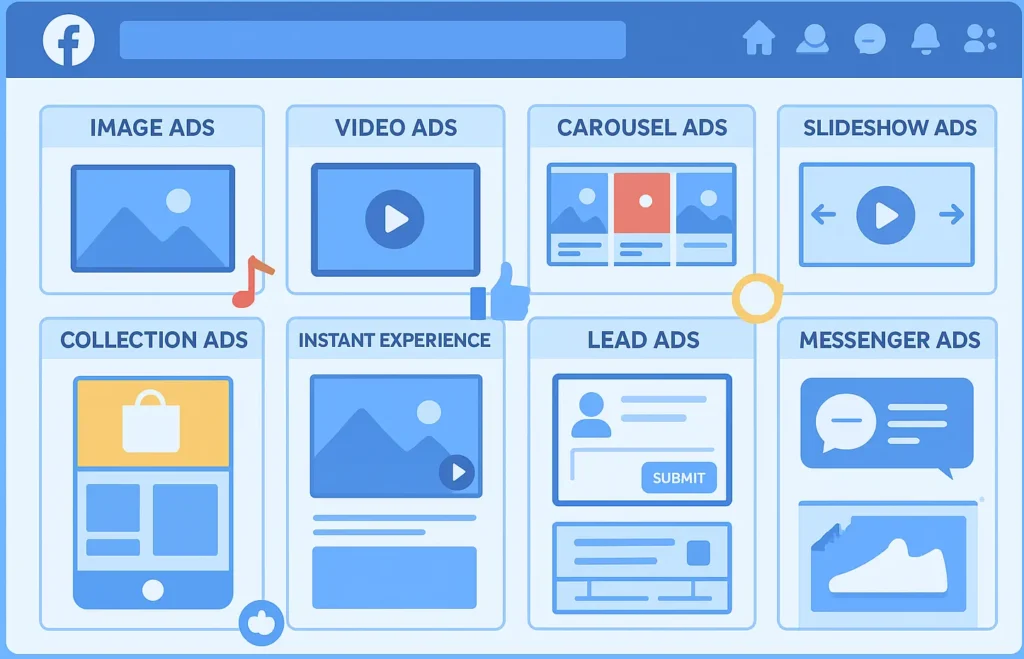
In today’s digital-first world, businesses cannot afford to ignore the power of Facebook advertising. With over 3 billion monthly active users, Facebook has evolved into one of the most powerful platforms for marketers to reach, engage, and convert potential customers. Whether you’re a small business owner, an e-commerce brand, or a real estate agent, understanding the different types of Facebook ads can make the difference between an average campaign and a high-converting one.
The beauty of Facebook ad types lies in their versatility. From eye-catching image ads that boost brand awareness to lead generation ads designed to capture customer details, the platform offers multiple formats to suit different business goals. For marketers already exploring different types of Google ads, knowing how Facebook compares can help refine your overall ad strategy. In fact, many businesses often debate Google vs Facebook ads to determine which platform offers the best ROI for their unique objectives.
This blog is your complete guide to types of Facebook advertising in 2025. We’ll break down the different Facebook campaign types, explore each ad format in detail, and help you decide which Facebook ad types align best with your business goals.
Table of Contents
Understanding Facebook Campaign Types
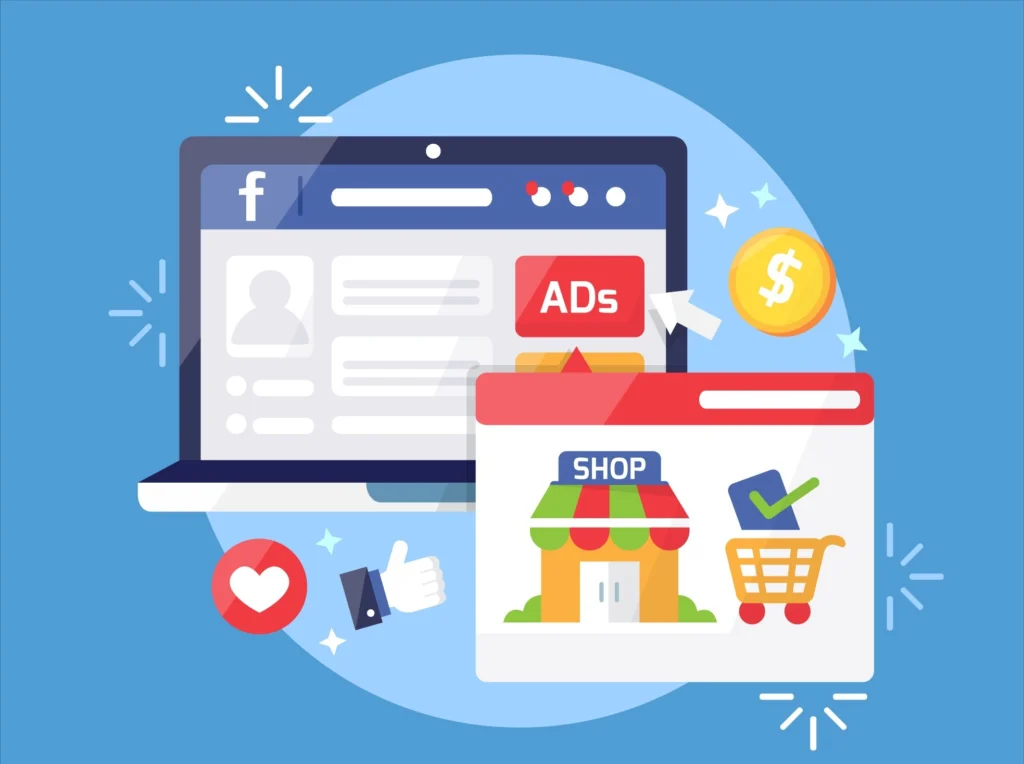
Before exploring the different types of Facebook ads, it’s crucial to understand the foundation of Facebook advertising—campaign types. Every ad you create on Facebook starts with a campaign, and the campaign type determines the objective of your advertising. Simply put, Facebook campaign types are designed to align your ads with your specific business goals.
Currently, Facebook groups its campaigns into three major categories: Awareness, Consideration, and Conversion. Each of these campaign types serves a different purpose in the customer journey.
- Awareness Campaigns – These are perfect when your goal is to introduce your brand to new audiences. For example, an image or video ad that highlights your product features falls under this campaign type. In many cases, businesses also complement awareness ads with strategies like social media marketing or content optimization to ensure consistent visibility across platforms.
- Consideration Campaigns – These focus on engagement, traffic, and lead generation. If you want people to click your website link, watch a product video, or fill out a form, this campaign type is ideal. Here, businesses often compare the impact of Facebook ads with other digital tactics like organic vs paid search, depending on whether they want quick results through ads or long-term growth with SEO services.
- Conversion Campaigns – The most result-driven, conversion campaigns aim to turn interested users into paying customers. These often use Facebook ad types like carousel ads, collection ads, or dynamic ads to showcase products and encourage direct purchases. Combining these campaigns with the benefits of SEO—such as ranking higher on search engines—can create a powerful full-funnel strategy that drives both immediate and sustained results.
Choosing the right Facebook campaign type is as important as selecting the right ad format. By understanding the purpose of each campaign, you can ensure your types of Facebook advertising efforts align with your business objectives and drive measurable success.
Types of Ads on Facebook:
1. Image Ads
Image ads are the most straightforward yet highly effective types of Facebook ads. With just a single picture, a short headline, and a clear call-to-action, these ads can grab attention and deliver your message instantly. They are especially powerful when you want to create brand awareness or highlight a specific product, service, or offer.
For example, an e-commerce store can use an image ad to promote a seasonal discount. Since visuals are processed faster than text, the right image can make your ad memorable and encourage users to take the next step.
Best Use Cases for Image Ads
- Promoting special offers or discounts
- Showcasing new arrivals or featured products
- Building brand visibility with strong visuals
Pros:
- Simple to create, no advanced design skills needed
- Cost-effective compared to video or carousel ads
- Great for testing ad copy and creatives
Cons:
- Limited storytelling ability compared to videos
- May not capture attention for long in competitive feeds
Pro Tip: Use high-resolution images, bold colors, and minimal text on your visuals. Facebook recommends keeping text under 20% of the image space to maximize performance. Combine your ad with a strong call-to-action like “Shop Now,” “Learn More,” or “Contact Us” to increase engagement.
2. Video Ads
When it comes to engaging users, video ads are one of the most powerful types of Facebook ads. Instead of relying on static visuals, video ads use motion, sound, and storytelling to capture attention and deliver a memorable message. These ads appear in users’ feeds, stories, or even as in-stream ads while they watch other videos, making them versatile across different Facebook campaign types.
For example, a fashion brand might showcase a new clothing collection in a short 15-second video, while a software company could demonstrate how their app works through a step-by-step tutorial. Unlike other types of ads on Facebook, video ads allow you to connect emotionally with your audience and encourage higher engagement.
Best Use Cases for Video Ads
- Product demonstrations and tutorials
- Customer testimonials and reviews
- Storytelling campaigns to build brand identity
Pros:
- Highly engaging and interactive
- Increases time spent with your brand
- Great for building awareness and consideration
Cons:
- Requires higher budget and production effort
- Users may skip if the content isn’t interesting
Pro Tip: Keep your videos short (15–30 seconds), add captions for silent viewers, and focus on the first 3 seconds to hook your audience. This will make your Facebook advertising types more effective and help you stand out in a crowded feed.
3. Carousel Ads
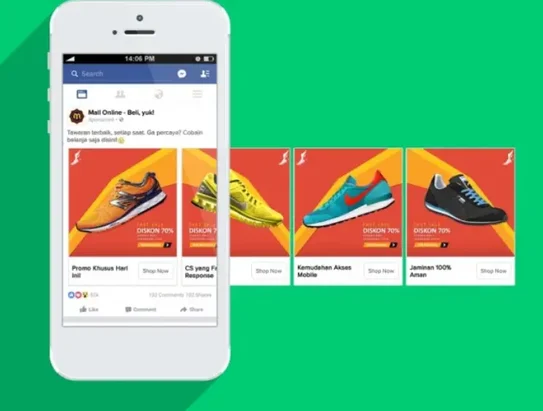
Among all the types of Facebook advertising, carousel ads stand out for their ability to showcase multiple products or features in one single ad unit. With up to 10 images or videos, each having its own headline, description, and link, carousel ads provide an interactive experience for users.
E-commerce businesses often use carousel ads to highlight multiple products in one campaign. For instance, an online shoe store could showcase different shoe models, each linking directly to the product page.
Best Use Cases for Carousel Ads
- Showcasing multiple products from your catalog
- Highlighting different features of a single product
- Storytelling step-by-step processes
Pros:
- Interactive and engaging
- Drives more clicks by offering multiple options
- Flexible for both awareness and conversion campaigns
Cons:
- Requires high-quality visuals for each card
- Can confuse users if not structured properly
Pro Tip: Use the first image or video to grab attention and ensure each card tells part of a bigger story. This makes your types of ads on Facebook more cohesive and effective.
4. Slideshow Ads
If you’re looking for a cost-effective alternative to video ads, slideshow ads are the perfect choice. These Facebook ad types use a series of still images, text, and sound to create a video-like experience that loads quickly, even on slow internet connections.
Slideshow ads are especially useful for small businesses or startups that may not have the resources to produce professional video content. For example, a bakery could showcase multiple product shots in a slideshow to highlight its cakes and pastries. This format makes it easy to bring static images to life and is a smart option within types of Facebook advertising.
Best Use Cases for Slideshow Ads
- Highlighting seasonal offers or promotions
- Telling a story with multiple product images
- Reaching audiences with slower internet speeds
Pros:
- Affordable and easy to create
- Great for low-bandwidth regions
- Supports text, sound, and images for variety
Cons:
- Less engaging than high-quality videos
- Limited creative flexibility
Pro Tip: Use a consistent theme and high-quality images, and add background music to keep viewers engaged. This way, your Facebook campaign types that rely on awareness or engagement will deliver better results.
5. Collection Ads
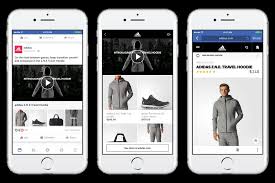
Collection ads are one of the most conversion-driven types of Facebook ads, especially designed for mobile users. They allow businesses to showcase a primary image or video along with several product images underneath. When users tap on the ad, it opens into a full-screen Instant Experience, where they can browse, explore, and even purchase products without leaving Facebook.
For example, an online clothing brand could feature a lifestyle video as the main creative, followed by product images of the clothes worn in that video. This makes collection ads a perfect fit for e-commerce businesses looking to increase product discovery and drive sales.
Best Use Cases for Collection Ads
- E-commerce stores promoting multiple products
- Retail businesses highlighting seasonal collections
- Travel agencies showcasing vacation packages
Pros:
- Optimized for mobile shopping
- Encourages users to explore products directly
- Great for conversion-focused campaigns
Cons:
- Only effective for mobile audiences
- Requires high-quality visuals and strong product catalog
Pro Tip: Use eye-catching lifestyle visuals as the main creative to capture attention and pair them with clear product images underneath. This will make your types of Facebook advertising more immersive and conversion-ready.
6. Instant Experience Ads
Formerly known as Canvas Ads, Instant Experience ads are full-screen, interactive ad formats that open instantly when someone taps on them. Among all types of ads on Facebook, these are the most immersive. They allow businesses to combine images, videos, carousels, and buttons to create a mini landing page directly inside the Facebook app.
For example, a real estate company could create an Instant Experience ad to showcase a property with a walkthrough video, multiple images, and a “Contact Us” button — all within one interactive ad. This format works best for brands that want to create a highly engaging and storytelling-driven experience.
Best Use Cases for Instant Experience Ads
- Storytelling campaigns for new product launches
- Real estate property showcases
- Brand awareness campaigns requiring immersion
Pros:
- Highly engaging, full-screen format
- Allows multiple elements in one ad
- Fast loading, mobile-first design
Cons:
- Requires more design effort and creativity
- Works only on mobile devices
Pro Tip: Keep the experience simple and focused. Too much content can overwhelm users. Use Instant Experience ads when you want to create impact beyond regular Facebook ad types.
7. Lead Ads
If your goal is to capture customer details directly on Facebook, lead ads are the best choice. These types of Facebook ads are designed to collect names, emails, phone numbers, or other contact details without making users leave the platform.
For instance, a coaching institute can use lead ads to collect inquiries for its courses, while a real estate agent can capture leads from people interested in property listings. The best part is that Facebook pre-fills some user information, making it easier and faster for people to sign up.
Best Use Cases for Lead Ads
- Collecting inquiries for services
- Generating sign-ups for webinars or events
- Building an email marketing list
Pros:
- Seamless user experience, no need to leave Facebook
- Higher conversion rates due to pre-filled forms
- Perfect for service-based businesses
Cons:
- Lower lead quality if forms are too easy to submit
- Requires strong follow-up system to convert leads
Pro Tip: Keep your forms short and only ask for essential information. This ensures higher completion rates and makes your types of Facebook advertising more cost-effective.
8. Messenger Ads
Among all the types of Facebook ads, Messenger ads are unique because they appear directly inside Facebook Messenger, giving businesses a more personal way to connect with users. Instead of passively showing an ad in the news feed, Messenger ads start a conversation, allowing businesses to answer questions, share product information, or even guide customers through a sales funnel.
For example, an online service provider can use Messenger ads to encourage users to “Send a Message” for more details. Similarly, a restaurant could use this Facebook ad type to let customers reserve a table or place an order directly through Messenger.
Best Use Cases for Messenger Ads
- Customer support and inquiries
- Booking services or appointments
- Personalized product recommendations
Pros:
- Creates direct interaction with potential customers
- Helps build trust through real-time communication
- Higher engagement compared to static ads
Cons:
- Requires active management and quick responses
- Not suitable for all industries
Pro Tip: Automate initial replies with a chatbot to ensure users feel attended to right away. This makes your types of Facebook advertising more efficient and scalable.
9. Stories Ads
Stories ads are vertical, full-screen ads that appear between organic stories on Facebook and Instagram. As one of the most popular types of ads on Facebook, they are designed for a mobile-first audience that prefers quick, snackable content. With bold visuals, short text, and swipe-up actions, stories ads are excellent for driving instant engagement.
For example, a beauty brand might use stories ads to show a quick makeup tutorial, while an e-commerce store can showcase flash sales with a direct link to the checkout page.
Best Use Cases for Stories Ads
- Promoting limited-time offers
- Sharing behind-the-scenes content
- Engaging younger audiences who prefer stories
Pros :
- Full-screen immersive format
- Great for time-sensitive promotions
- Blends naturally with user-generated content
Cons:
- Short-lived, limited visibility
- Requires high-quality vertical creative design
Pro Tip: Keep your stories ads under 15 seconds and add interactive elements like polls or swipe-ups to maximize engagement. This makes your Facebook ad types more impactful in fast-scrolling environments.
10. Dynamic Ads
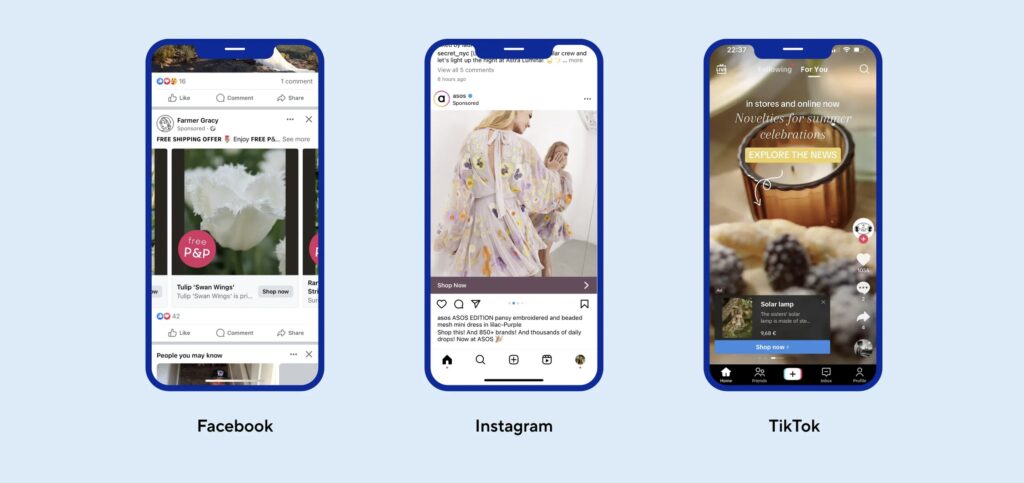
When it comes to personalization, dynamic ads are the most advanced among all the types of Facebook ads. These ads automatically promote products to people who have shown interest in them by visiting your website, app, or Facebook shop.
For example, if a user browses sneakers on your e-commerce site but doesn’t complete the purchase, Facebook can retarget that same person with a dynamic ad showing the exact pair of sneakers. This makes dynamic ads one of the most effective Facebook campaign types for conversions.
Best Use Cases for Dynamic Ads
- Retargeting users who abandoned carts
- Showcasing product catalogs automatically
- Personalized recommendations for e-commerce
Pros:
- Highly personalized and relevant
- Saves time with automatic product updates
- Great for driving conversions and sales
Cons:
- Requires proper setup with Facebook Pixel and product catalog
- Not ideal for businesses without multiple products
Pro Tip: Segment your audiences carefully—retarget recent visitors differently from older visitors. This ensures your types of Facebook advertising remain cost-effective and conversion-focused.
Choosing the Right Facebook Ad Type for Your Business
Feeling overwhelmed by all the types of Facebook ads? Don’t worry—you’re not alone. With so many options, picking the right ad format can feel like navigating a maze. The trick is simple: match your ad type with your business goal and your audience’s behavior. Since Facebook ads are a form of PPC marketing, combining them with other paid channels can further maximize your reach, while approaches such as brand collaboration help add authenticity and expand your audience through trusted voices.
1. Looking to Build Awareness?
If you want people to notice your brand, go for image ads, video ads, or stories ads. These are perfect for catching attention in crowded feeds. For example, a new café could run a vibrant video ad showing off its cozy interiors and signature drinks. Easy, visual, and memorable.
2. Want to Generate Leads or Inquiries?
Here, lead ads and Messenger ads shine. They let users submit information or start a conversation without leaving Facebook. Imagine a real estate agent collecting buyer details instantly—no extra landing pages needed!
3. Focused on Sales and Conversions?
For businesses selling products online, carousel ads, collection ads, and dynamic ads are your best friends. Showcase multiple products, let users swipe through, and drive them straight to checkout. A fashion brand could highlight its top 5 trending items in one carousel ad—simple and effective.
Quick Tip:
Think of the customer journey:
- Awareness → Capture attention
- Consideration → Engage and educate
- Conversion → Drive purchases
By aligning your campaign goals with the right Facebook ad types, you save time, budget, and get results that actually matter.
Conclusion
Facebook offers a variety of types of Facebook ads, each designed to help businesses connect with the right audience. From image ads to dynamic ads, every format serves a purpose—whether it’s building brand awareness, generating leads, or driving sales. Understanding these types of ads on Facebook and aligning them with the right Facebook campaign types is essential for running effective campaigns.
Not every ad type works for every business. Start with formats that match your goals, test them, and see what resonates with your audience. For instance, e-commerce brands can benefit from carousel or collection ads, while service-based businesses might get better results with lead ads or Messenger ads. Since Facebook advertising operates on a PPC marketing model, experimenting with different ad formats allows you to optimize spend while ensuring you reach the right audience.
If you’re unsure where to start or want to maximize your ROI, our digital marketing agency can help. We specialize in creating customized digital marketing strategies.
FAQs
Which type of Facebook ad works best for small businesses?
Small businesses often see good results with Image Ads, Video Ads, and Lead Ads since they are cost-effective and help drive awareness, engagement, and direct leads.
Are Facebook ads effective for eCommerce stores?
Yes. Dynamic Ads and Collection Ads work particularly well for eCommerce since they showcase products directly to potential buyers and retarget visitors who abandoned carts.
Can I run Facebook ads without a website?
Yes. You can run Lead Ads (to collect customer details directly on Facebook) or Messenger Ads (to chat with potential customers without needing a website).
How much budget should I allocate for Facebook ads?
There’s no fixed rule, but businesses usually start with a daily budget of $5–$20 and then scale based on performance.
What type of creatives work best in Facebook ads?
High-quality visuals (images or videos), clear call-to-actions, and short copy perform best. For product ads, lifestyle images often outperform plain product shots.