
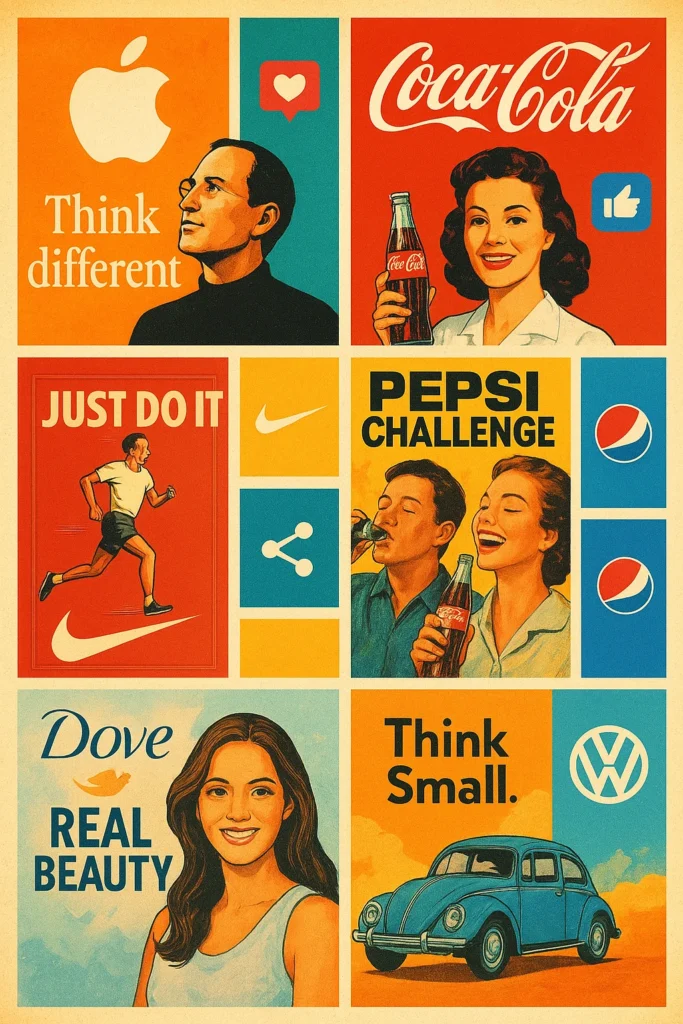
A great advertisement campaign isn’t just about selling a product—it’s about creating a story people remember. Think of Nike’s “Just Do It,” Apple’s bold “1984” ad, or Coca-Cola’s “Hilltop” commercial. These weren’t just ads; they became cultural icons, sparking conversations and leaving a legacy that still inspires marketers today.
The most famous advertisements work because they connect with emotions, values, and everyday experiences. They make us laugh, cry, or even rethink the world around us. That’s why studying the best advertisement campaigns gives us more than inspiration—it reveals powerful lessons for businesses of all sizes. Whether you’re looking to partner with an experienced SEO agency, boost engagement through social media marketing, or scale your reach with a trusted PPC company, understanding these iconic campaigns can guide you toward creating strategies that truly resonate.
In this blog, we’ll explore the best ads of all time and break down why they worked. From creative storytelling to smart strategy, you’ll see ad campaign examples that changed industries and shaped culture. And while we look back at legendary campaigns, it’s equally important to understand PPC and modern battles like Google vs Facebook Ads, which shape today’s digital marketing strategies. Whether you’re a marketer, entrepreneur, or just someone who loves clever ideas, these campaigns will show you how the right message can live forever.
Table of Contents
What Makes an Advertisement Legendary?
Not every advertisement campaign becomes iconic. Some ads disappear as quickly as they arrive, while others live on for decades. So, what makes the difference? The best ads of all time usually share a few key ingredients that transform them from simple promotions into unforgettable cultural moments.
1. Emotional Connection
The most famous advertisements don’t just talk about products—they make people feel something. Whether it’s Nike inspiring us to chase our dreams or Dove encouraging us to see real beauty, emotion is what sticks in the audience’s mind long after the ad ends.
2. Simplicity and Clarity
Great campaigns are easy to understand. The message is clear, the visuals are memorable, and the call-to-action is obvious. Think of Volkswagen’s “Think Small”—a simple idea that turned into one of the best advertisement campaigns in history.
3. Cultural Relevance
Legendary ads tap into the mood of the time. Coca-Cola’s “Hilltop” commercial connected with a generation longing for peace. Modern ad campaign examples, like Always’ “#LikeAGirl,” speak to empowerment and social change. The best campaigns align a brand with something bigger than the product.
4. Creativity and Innovation
The best advertisement often breaks the rules. Whether it’s Apple turning a Super Bowl spot into a mini-movie or Old Spice reinventing humor in personal care ads, creativity is what sets an ad apart from the rest.
A legendary campaign blends art with strategy. It’s not about shouting the loudest—it’s about being the most meaningful. And that’s why the best ads of all time continue to inspire marketers, brands, and audiences even years after they first appeared.
16 Best Ads of All Time
1. Apple – “1984”
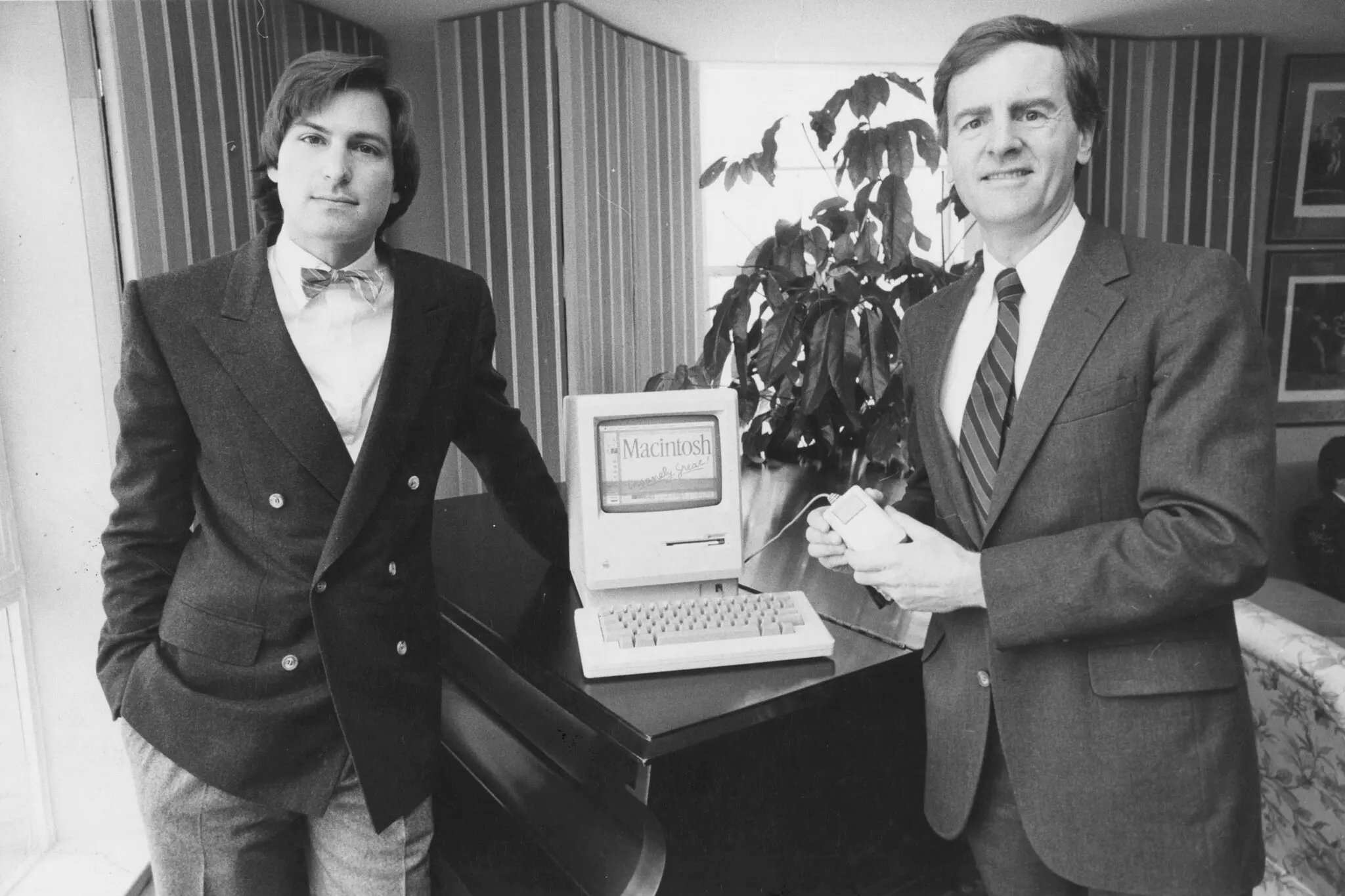
Apple’s “1984” didn’t just launch a computer—it redefined advertising forever. Here’s why it’s still considered the gold standard in marketing history.
Brand: Apple
Campaign Title: 1984
Product: Apple Macintosh
Target Audience: Tech-savvy individuals, creative professionals, and early adopters
Goal: Introduce the Macintosh computer and position Apple as a bold alternative to IBM’s dominance in personal computers
About The Ad:
Directed by Ridley Scott and aired during Super Bowl XVIII, Apple’s “1984” commercial presented a dystopian world where conformity ruled under a “Big Brother” figure—symbolizing IBM. A lone heroine smashes the giant screen with a hammer, signaling Apple’s promise to empower individuals with innovation.
Why it was Successful:
Rather than focusing on specs or features, the ad used cinematic storytelling to position Apple as a revolutionary brand. It showed the Macintosh as a tool for freedom and individuality, making it more than just another advertisement campaign—it was a cultural statement.
Results:
The ad aired nationally only once but sparked massive media coverage, instantly making it one of the most famous advertisements of all time. Apple sold over 70,000 Macintosh computers in the first 100 days, far exceeding expectations. Beyond sales, “1984” is still studied in marketing and film schools worldwide, proving its lasting influence. It put Apple on the map as a cultural innovator—not just a tech company—and secured its place among the best ads of all time.
2. Nike – “Just Do It”

Nike’s “Just Do It” turned three simple words into a global movement. Here’s how it became one of the most powerful ad campaign examples ever created.
Brand: Nike
Campaign Title: Just Do It
Product: Nike sportswear and footwear
Target Audience: Athletes, fitness enthusiasts, and everyday people seeking motivation
Goal: Strengthen Nike’s brand identity, inspire people worldwide, and surpass Reebok’s growing market share
About The Ad:
Launched in 1988, “Just Do It” quickly became one of the best advertisement campaigns in history. With powerful storytelling, Nike featured both elite athletes and ordinary people, proving that greatness wasn’t reserved for professionals—it was within reach for everyone.
Why it was Successful:
The tagline was short, universal, and endlessly adaptable. It inspired people to push past limits, connecting Nike with personal empowerment rather than just athletic gear. This blend of motivation and branding makes it one of the best ad campaign examples in modern marketing.
Results:
The campaign helped Nike’s global sales soar from $877 million to $9.2 billion within a decade. More importantly, “Just Do It” became part of everyday language, proving its cultural impact went beyond sports. Decades later, it’s still celebrated as one of the best ads of all time, taught in classrooms, and remembered as the best advertisement for how simplicity can inspire millions.
3. Volkswagen – “Think Small”
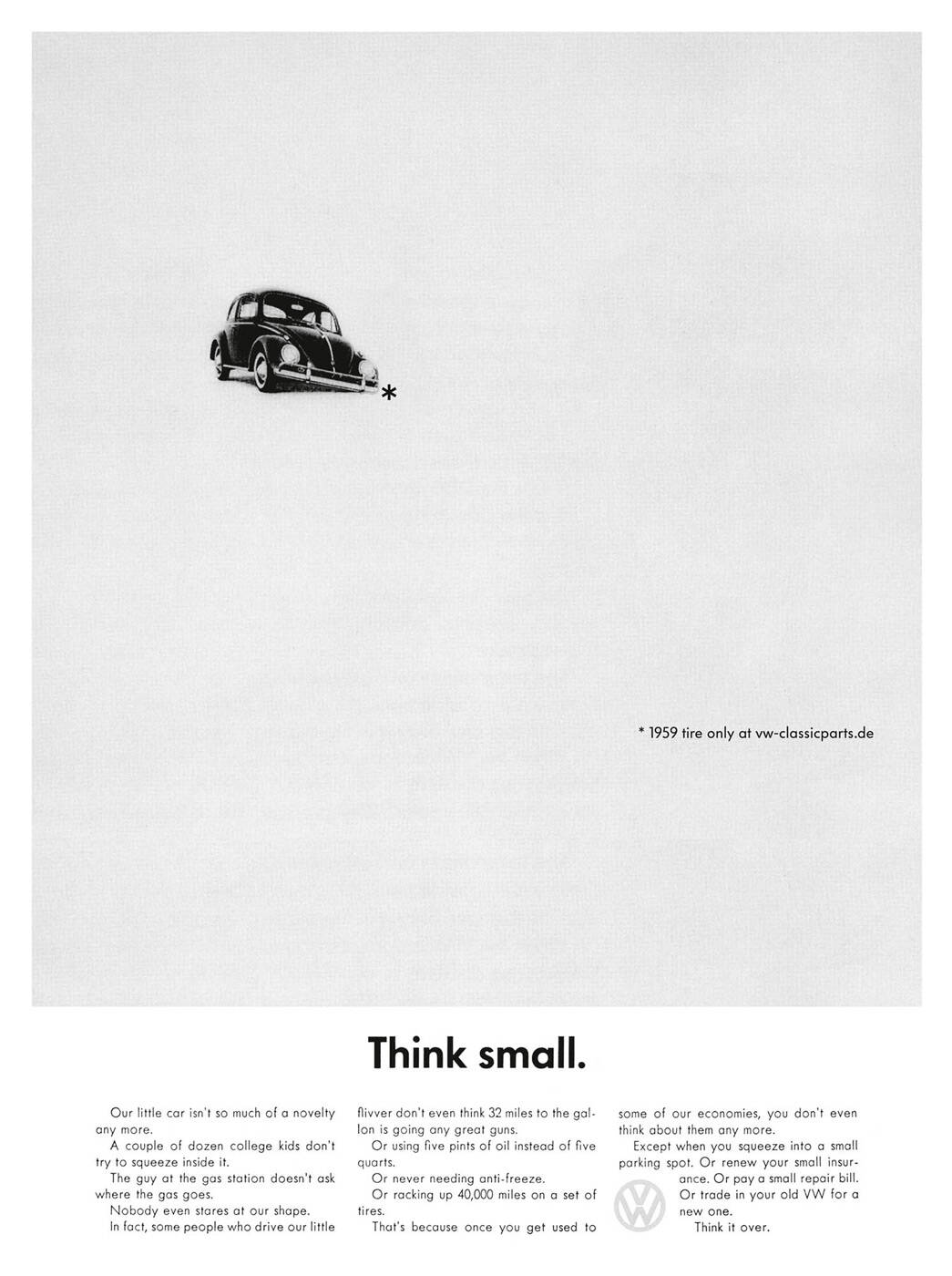
Volkswagen’s “Think Small” didn’t just sell cars—it reinvented modern advertising. Here’s why this bold move is still ranked among the best ads of all time.
Brand: Volkswagen
Campaign Title: Think Small
Product: Volkswagen Beetle
Target Audience: American car buyers in the late 1950s and 1960s who were used to large, flashy automobiles
Goal: Change consumer perception of the compact Volkswagen Beetle and carve out a new identity in the U.S. car market
About The Ad:
In 1959, Volkswagen and advertising agency Doyle Dane Bernbach (DDB) launched “Think Small,” one of the most famous advertisements in history. At a time when American car ads emphasized size, luxury, and horsepower, Volkswagen took a completely opposite approach. The ad showcased the Beetle’s small size with minimalist design, witty copy, and plenty of white space—an idea that shocked audiences but captured attention immediately.
Why it was Successful:
“Think Small” broke every advertising rule of its era. Instead of exaggeration, it embraced honesty and humor. This made consumers view the Beetle not as a weakness but as a smart, practical, and even stylish choice. The campaign flipped negative perceptions into strengths, making it a landmark advertisement campaign that still influences ad design today.
Results:
The campaign was a massive success, transforming the Volkswagen Beetle into a cultural icon in the U.S. Sales skyrocketed, and “Think Small” became one of the most studied ad campaign examples in marketing history. Its influence is so strong that it continues to appear in textbooks, creative classrooms, and lists of the best ads of all time. Many marketers still call it the best advertisement ever created because it proved that truth and simplicity could win in a noisy marketplace.
4. Coca-Cola – “Hilltop / I’d Like to Buy the World a Coke”
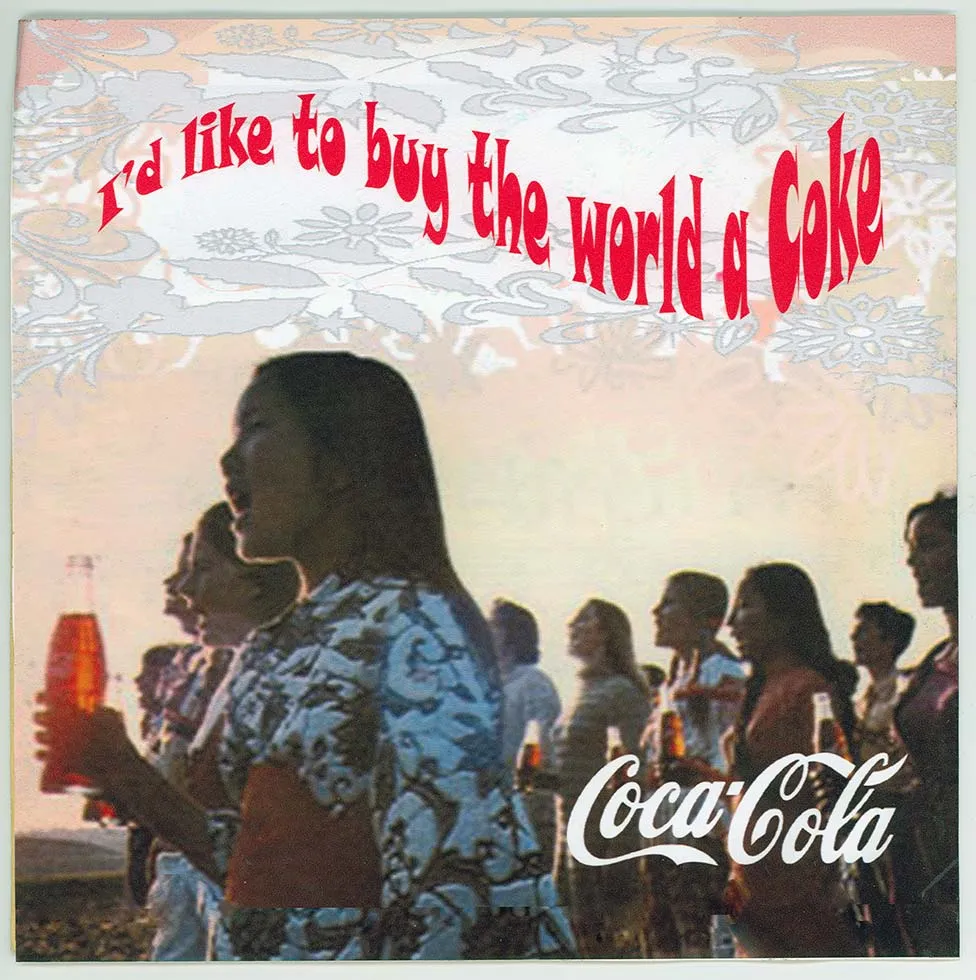
In 1971, Coca-Cola didn’t just sell a drink—it sold unity, peace, and optimism in one of the most famous advertisements ever created.
Brand: Coca-Cola
Campaign Title: Hilltop / I’d Like to Buy the World a Coke
Product: Coca-Cola
Target Audience: Global youth and families during the early 1970s, amid social and political unrest
Goal: Position Coca-Cola as a universal symbol of happiness and togetherness
About The Ad:
At a time when the world was facing wars, protests, and cultural divisions, Coca-Cola launched Hilltop, a campaign that showed young people from diverse backgrounds singing on a hilltop in Italy: “I’d like to buy the world a Coke.” The message was simple but powerful—Coca-Cola wasn’t just a soda; it was a connector of people across cultures. This became one of the best ads of all time because it blended music, storytelling, and branding seamlessly.
Why it was Successful:
The ad tapped into a global desire for peace and unity, making Coca-Cola more than a beverage brand. It became a cultural symbol of optimism. Unlike traditional product-centric ads, Coca-Cola turned its campaign into an anthem of hope, ensuring its spot in history as one of the best advertisement campaigns ever created.
Results:
The campaign was a global sensation. Recordings of the song became chart-topping hits, sales of Coca-Cola soared, and the commercial went down as one of the most famous advertisements of the 20th century. Even today, it is studied as a prime ad campaign example for emotional storytelling and brand positioning.
5. Absolut Vodka – “Absolut Bottle”
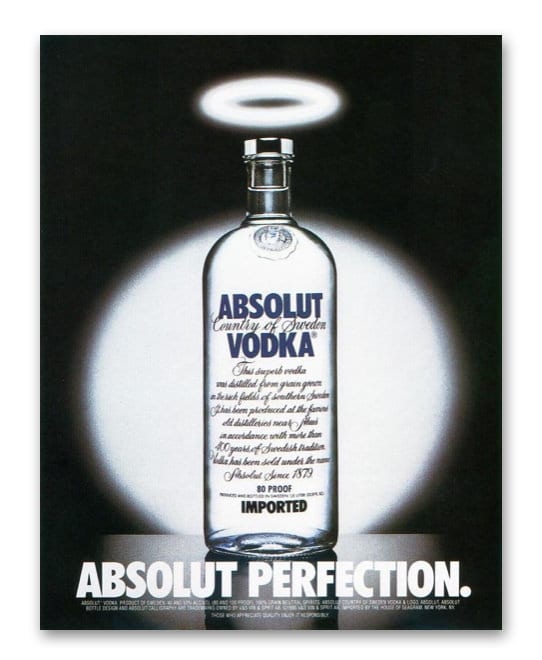
Absolut turned its bottle into a global icon—proving that the right idea can make even packaging one of the most famous advertisements in history.
Brand: Absolut Vodka
Campaign Title: Absolut Bottle
Product: Absolut Vodka
Target Audience: Young urban consumers, art enthusiasts, and trendsetters worldwide
Goal: Differentiate Absolut in a crowded spirits market and elevate the bottle into a lifestyle symbol
About The Ad:
Launching in 1980, Absolut’s campaign featured creative ads where the distinctive shape of its bottle appeared in clever, artistic settings—snow-covered hills, city skylines, paintings, and more. The focus was never on flashy models or wild parties; instead, the bottle itself became the star. This minimalist yet endlessly creative approach made the campaign one of the best ads of all time.
Why it was Successful:
By turning its bottle into a canvas, Absolut created a sense of exclusivity and sophistication. Over 1,500 unique ads were produced in the series, each clever and different, making people collect and talk about them. The campaign blurred the lines between art and advertising, making it one of the most celebrated advertisement campaigns globally.
Results:
When the campaign began, Absolut had only 2.5% of the U.S. vodka market. By the 2000s, it had more than 50%. The Absolut Bottle series is still cited as one of the most famous advertisements and remains a classic ad campaign example of branding that doesn’t just sell—it creates culture.
6. De Beers – “A Diamond is Forever”
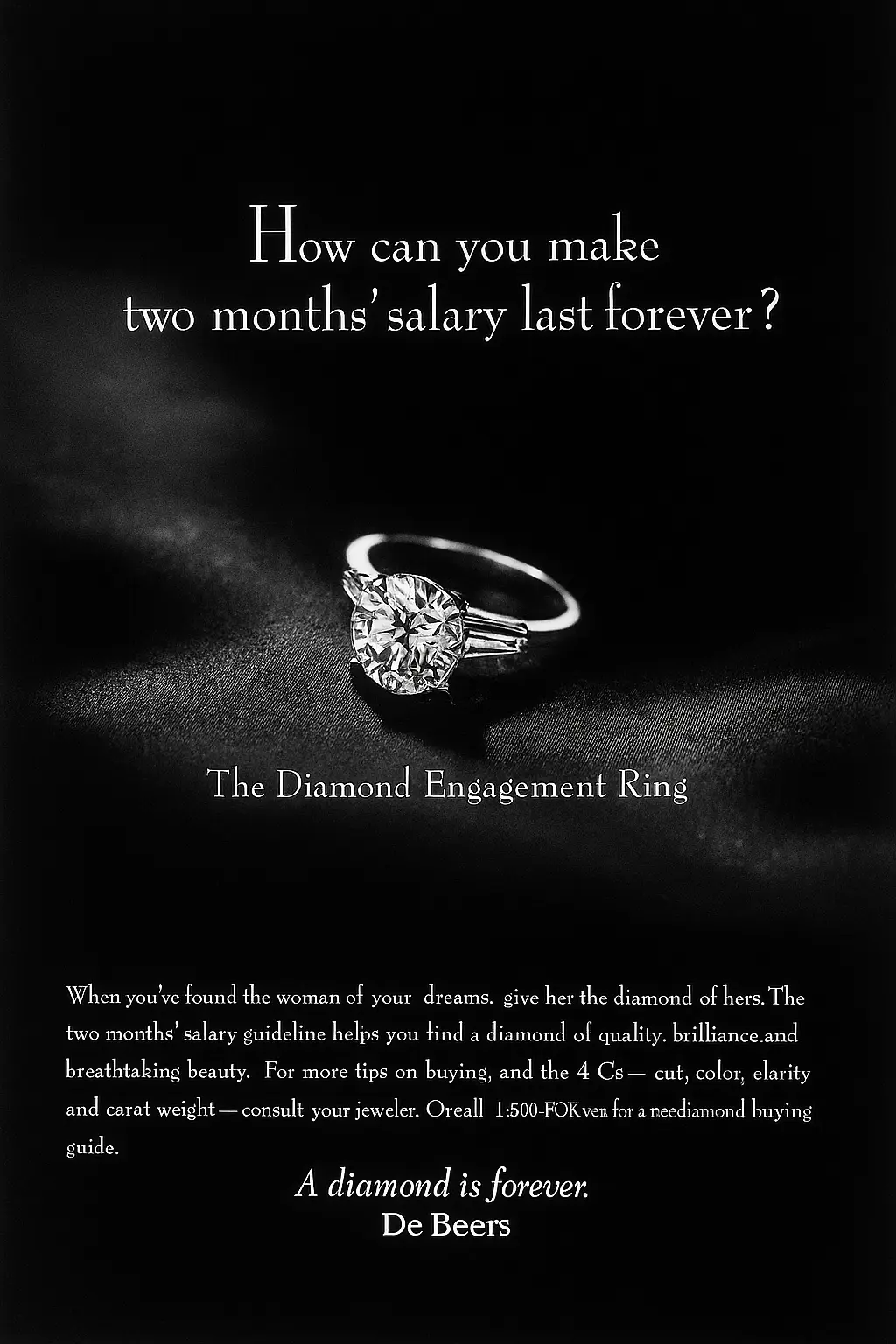
De Beers didn’t just sell diamonds—it sold a dream. With ‘A Diamond is Forever,’ the brand created one of the best advertisements of all time and changed how the world views love.
Brand: De Beers
Campaign Title: A Diamond is Forever
Product: Diamonds and engagement rings
Target Audience: Couples, particularly men buying engagement rings
Goal: Establish diamonds as the ultimate symbol of love, commitment, and marriage
About The Ad:
In 1947, De Beers launched its now legendary slogan “A Diamond is Forever.” Before this campaign, diamond engagement rings were not a cultural necessity. The advertisements showed romantic couples and timeless love stories, linking diamonds with eternal commitment. This was not just an ad—it was a cultural reset that turned diamonds into a must-have tradition.
Why it was Successful:
The campaign tied emotional storytelling with clever marketing psychology. It convinced generations that love must be sealed with a diamond, turning a luxury item into a life milestone. Its message was so strong that it became ingrained in global culture, making it one of the most impactful advertisement campaigns in history.
Results:
Diamond sales skyrocketed, and engagement rings became a worldwide norm. The slogan was even named the best of the 20th century by Advertising Age. More than 70 years later, it remains one of the best advertisements ever created, still referenced in marketing classes and lists of the best ads of all time.
7. Old Spice – “The Man Your Man Could Smell Like”
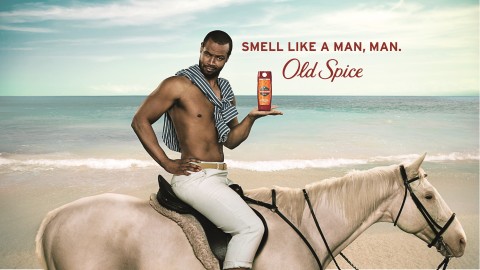
Old Spice didn’t just freshen up its image—it reinvented it. With ‘The Man Your Man Could Smell Like,’ the brand delivered one of the funniest and most famous advertisements of the digital age.
Brand: Old Spice
Campaign Title: The Man Your Man Could Smell Like
Product: Old Spice body wash
Target Audience: Young men and women (who often buy personal care products for their partners)
Goal: Modernize Old Spice’s outdated brand image and capture a younger audience through humor and viral marketing
About The Ad:
Launched in 2010, the campaign starred actor Isaiah Mustafa delivering rapid-fire, witty lines while seamlessly moving through over-the-top scenes—showering, sailing, horseback riding—all while encouraging women to buy Old Spice for their men. This quirky, fast-paced commercial became one of the best ad campaign examples of viral marketing in the digital era.
Why it was Successful:
The ad stood out because it combined humor, absurd visuals, and charm, breaking the clutter of traditional male grooming ads. It also leveraged social media brilliantly, releasing personalized video responses to fans, which kept the campaign alive long after the first commercial aired. It’s still ranked among the best ads of all time for its creativity and shareability.
Results:
Old Spice body wash sales doubled within a month of the ad’s release. The campaign went viral on YouTube, racking up millions of views in days, and is now studied as one of the most famous advertisements in modern marketing. Old Spice transformed from an “old dad brand” to a cultural icon.
8. Dove – “Real Beauty” Campaign
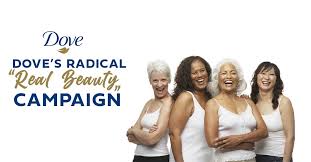
Dove didn’t just advertise soap—it started a global conversation. The ‘Real Beauty’ campaign is one of the best advertisements for redefining beauty standards.
Brand: Dove
Campaign Title: Real Beauty
Product: Dove personal care products
Target Audience: Women of all ages, especially those affected by unrealistic beauty standards
Goal: Challenge conventional beauty stereotypes and position Dove as a brand that celebrates natural beauty and self-confidence
About The Ad:
Launched in 2004, Dove’s Real Beauty campaign showcased real women—not models—with diverse body types, ages, and skin tones. The ads emphasized authenticity and inclusivity, directly challenging the narrow ideals often promoted by the beauty industry. This bold approach turned Dove into a movement, not just a soap brand.
Why it was Successful:
The campaign struck an emotional chord by highlighting how unrealistic beauty standards harm self-esteem. It empowered women globally and sparked debates in media, classrooms, and boardrooms. As one of the most powerful advertisement campaigns, it showed how brands can use marketing for social impact, not just sales.
Results:
Sales of Dove products skyrocketed, with the brand growing from $2.5 billion to over $4 billion in the years following the campaign. More importantly, it is still cited as one of the best ads of all time, a benchmark in famous advertisements that reshaped beauty marketing. Its impact continues through spin-offs like Dove’s “Real Beauty Sketches.”
9. Always – “Like a Girl”
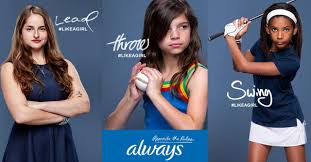
Always didn’t just promote a product—it sparked a global movement. The ‘Like a Girl’ campaign remains one of the best advertisements for empowering women.
Brand: Always
Campaign Title: Like a Girl
Product: Always feminine hygiene products
Target Audience: Young women, teenage girls, and parents
Goal: Challenge gender stereotypes and reposition the phrase “like a girl” as a statement of strength, not weakness
About The Ad:
Launched in 2014, the Like a Girl campaign showed how people often used the phrase negatively—running “like a girl” or throwing “like a girl” was seen as weak. But when young girls were asked to demonstrate, they did so with confidence and strength. This contrast created a powerful, emotional ad that quickly went viral, turning Always into more than just a hygiene brand.
Why it was Successful:
The campaign addressed a universal issue—gender bias—making it instantly relatable. It empowered women worldwide and positioned Always as a brand that cares about social change. This bold message transformed it into one of the most famous advertisement campaigns and an inspiring ad campaign example for purpose-driven marketing.
Results:
The campaign generated more than 90 million views worldwide, won multiple awards, and significantly boosted Always’ brand engagement. It remains one of the best ads of all time because of its cultural impact, proving that a best advertisement is one that makes people feel seen and respected.
10. Guinness – “Surfer”
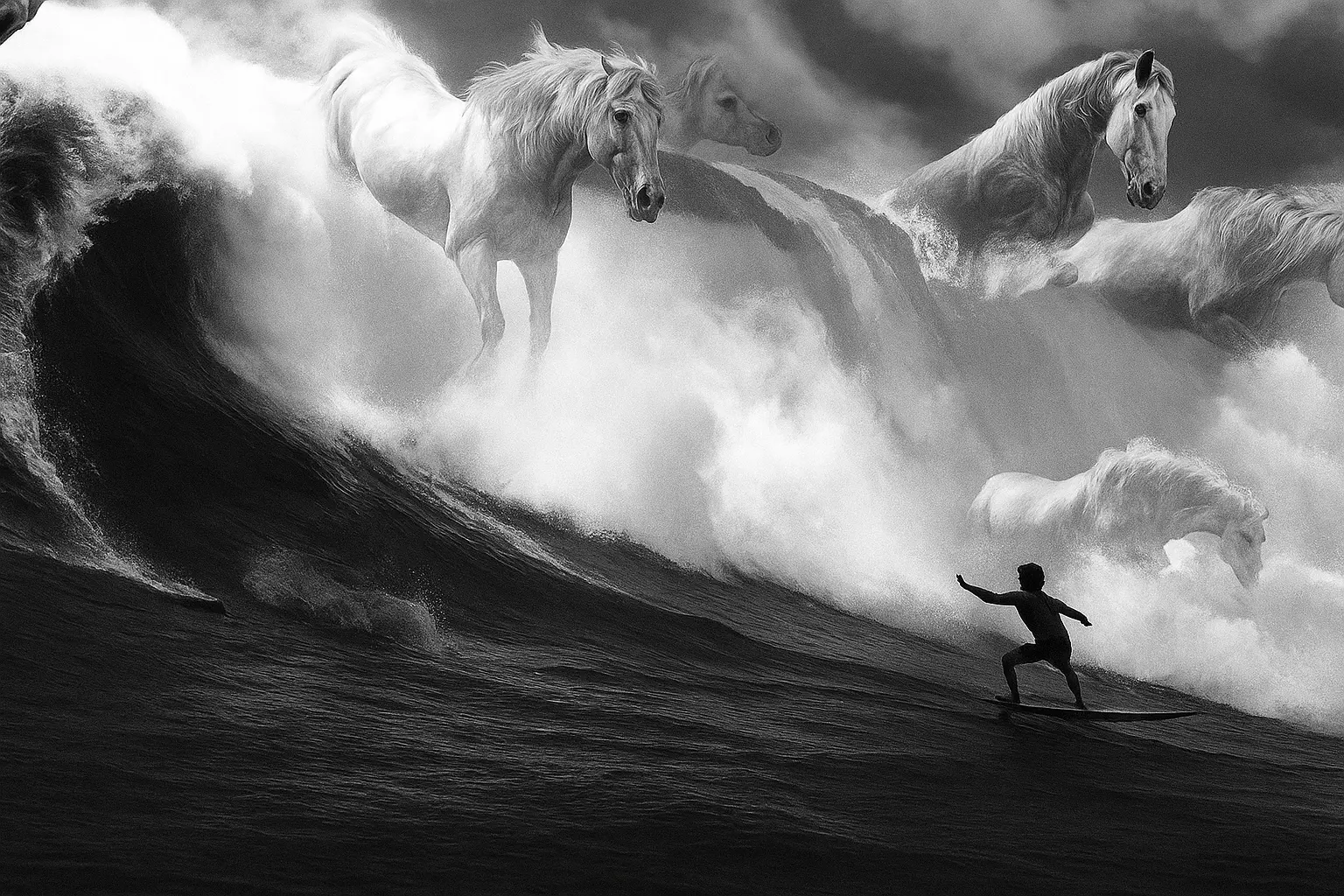
Guinness’s ‘Surfer’ wasn’t just a beer commercial—it became a masterpiece of visual storytelling and one of the most famous advertisements ever made.
Brand: Guinness
Campaign Title: Surfer
Product: Guinness beer
Target Audience: Beer drinkers, particularly younger audiences seeking bold, adventurous brands
Goal: Reinforce Guinness’s brand values of patience, reward, and boldness
About The Ad:
Released in 1999, the Surfer ad depicts a group of surfers waiting for the perfect wave, only to be confronted by giant, powerful horses emerging from the ocean. The breathtaking visuals and poetic narration highlighted Guinness’s message: “Good things come to those who wait.” This campaign turned a simple beer ad into art.
Why it was Successful:
The ad broke creative barriers by blending cinematic storytelling, music, and metaphor. Instead of selling just a pint of beer, Guinness sold an experience of patience, perseverance, and reward. It’s considered a gold standard advertisement campaign for creativity in the industry.
Results:
Surfer won numerous awards, including being voted the best ad of all time by Channel 4 and The Sunday Times. Guinness sales rose, and the ad cemented its place as one of the best ads of all time, a classic ad campaign example of brand storytelling done right.
11. Budweiser – “Whassup”
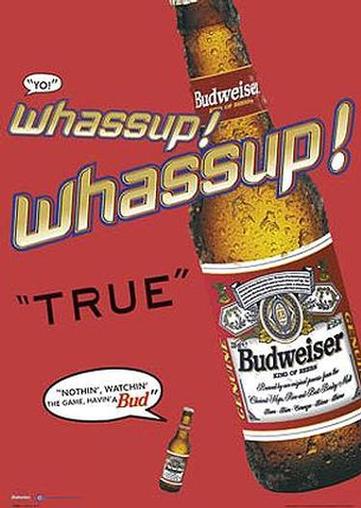
Sometimes, all it takes is one word. Budweiser’s ‘Whassup’ became a cultural phenomenon and one of the most famous advertisements of the early 2000s.
Brand: Budweiser
Campaign Title: Whassup
Product: Budweiser beer
Target Audience: Young adults, primarily male beer drinkers looking for fun and relatable content
Goal: Strengthen Budweiser’s identity as the go-to beer for friends, fun, and casual socializing
About The Ad:
Debuting in 1999, the Whassup campaign featured a group of friends greeting each other with an exaggerated “Whassup!” while watching sports and drinking Budweiser. It was simple, funny, and incredibly relatable. The phrase quickly spread, becoming part of everyday slang, and cemented the ad as one of the best ads of all time in terms of cultural impact.
Why it was Successful:
The ad resonated with audiences because it was authentic and humorous. It didn’t feel like traditional advertising—it felt like a shared joke between friends. This relatability made it one of the most effective advertisement campaigns, driving both brand recognition and cultural influence.
Results:
The campaign won the Grand Prix at the Cannes Lions Festival, boosted Budweiser’s sales, and became a pop culture reference for years. Even today, Whassup is remembered as one of the best advertisements and a classic ad campaign example of humor-driven marketing.
12. Pepsi – “Pepsi Challenge”
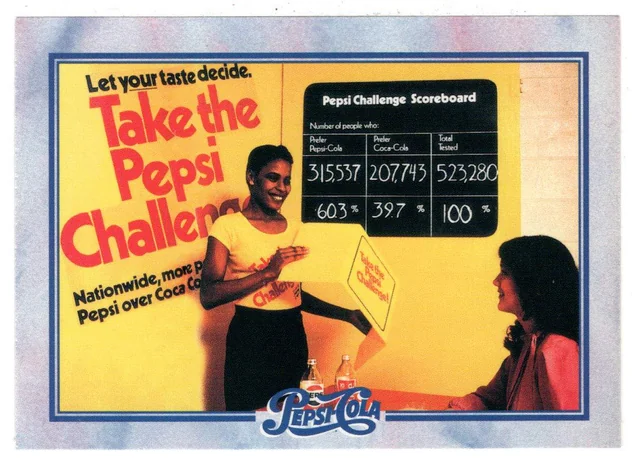
Pepsi turned taste into a battleground with the ‘Pepsi Challenge,’ creating one of the most famous advertisements of the cola wars.
Brand: Pepsi
Campaign Title: Pepsi Challenge
Product: Pepsi cola
Target Audience: Soft drink consumers, especially younger generations looking for an alternative to Coca-Cola
Goal: Prove that people preferred Pepsi over Coca-Cola in blind taste tests and reposition Pepsi as the cooler, more youthful brand
About The Ad:
Launched in 1975, the Pepsi Challenge was a series of blind taste tests where consumers were asked to choose between Pepsi and Coca-Cola. To everyone’s surprise, many chose Pepsi. The campaign flipped the script on Coke’s dominance, making Pepsi appear bolder, more exciting, and willing to challenge the status quo.
Why it was Successful:
The campaign worked because it was interactive, memorable, and disruptive. By letting consumers decide, Pepsi gave credibility to its claim of better taste. This made it not only a clever stunt but also one of the most effective advertisement campaigns of its time.
Results:
The Pepsi Challenge helped Pepsi gain significant market share, especially among younger consumers. It’s still remembered as one of the best ads of all time and remains a textbook ad campaign example of challenger-brand marketing. Even decades later, marketers study it as one of the best advertisements for using consumer participation to drive brand success.
13. Mastercard – “Priceless”
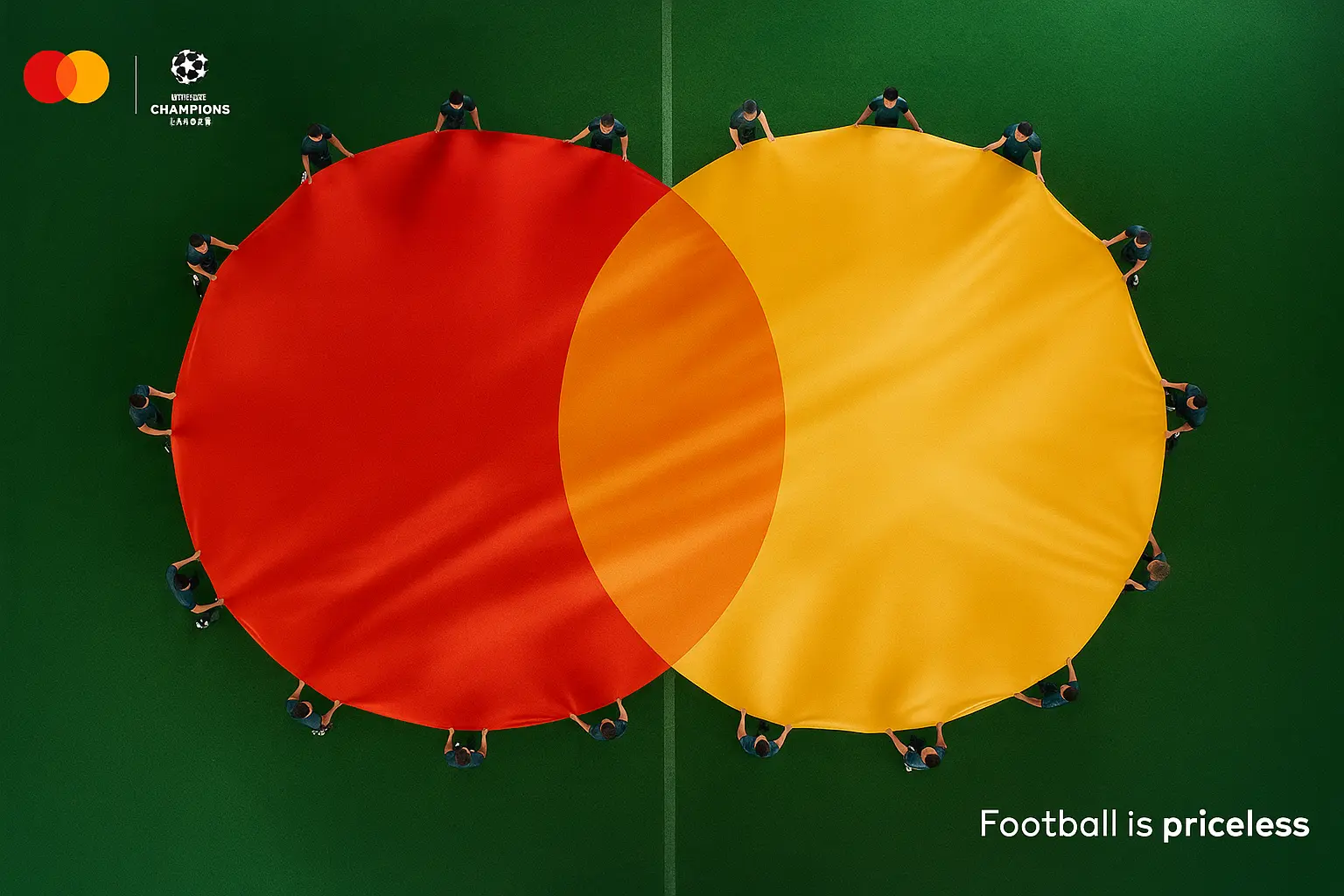
Mastercard’s ‘Priceless’ campaign proved that the best advertisements aren’t about products—they’re about emotions.
Brand: Mastercard
Campaign Title: Priceless
Product: Mastercard credit cards
Target Audience: Everyday consumers, families, and travelers
Goal: Position Mastercard as more than a financial tool—associate it with life’s meaningful moments
About The Ad:
Debuting in 1997, the Priceless campaign featured scenarios where everyday purchases had a cost, but the experiences tied to them were “priceless.” The tagline “There are some things money can’t buy. For everything else, there’s Mastercard” became one of the most memorable in advertising history.
Why it was Successful:
The campaign focused on universal emotions like love, family, and joy. It showed that Mastercard wasn’t just a card—it was a facilitator of life’s special moments. This emotional storytelling made it one of the most famous advertisement campaigns ever.
Results:
The campaign ran in more than 100 countries, boosted brand recognition, and made Priceless a cultural catchphrase. It remains a classic ad campaign example and one of the best ads of all time for emotional branding.
14. Red Bull – “Stratos Jump”
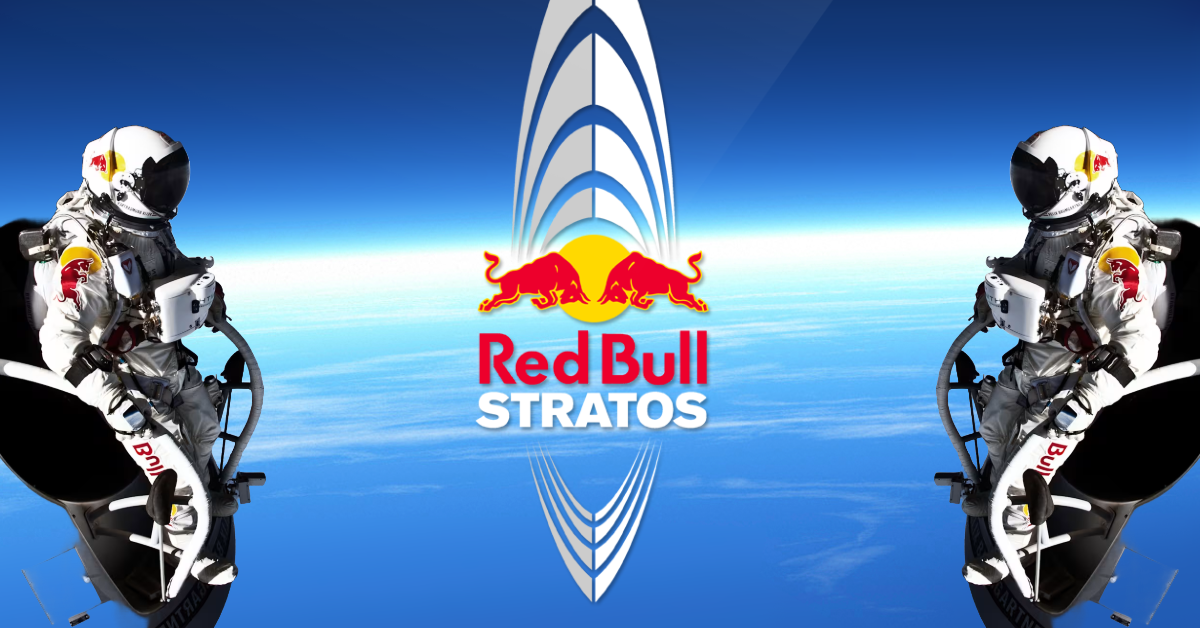
Red Bull didn’t just run an ad—it sponsored history. The ‘Stratos Jump’ was one of the boldest advertisement campaigns ever attempted.
Brand: Red Bull
Campaign Title: Red Bull Stratos
Product: Red Bull energy drink
Target Audience: Young adults, extreme sports fans, and adventure seekers
Goal: Strengthen Red Bull’s positioning as a brand that “gives you wings” through extreme stunts
About The Ad:
In 2012, Red Bull sponsored Felix Baumgartner’s record-breaking space jump from the stratosphere, broadcasted live worldwide. It wasn’t a traditional commercial—it was a real event that showcased the brand’s adventurous spirit and became one of the best ads of all time in experiential marketing.
Why it was Successful:
The campaign aligned perfectly with Red Bull’s identity of pushing limits. Instead of telling people what the brand stood for, it showed them. It’s a powerful advertisement campaign that blurred the line between marketing and history-making.
Results:
The event attracted over 8 million live viewers on YouTube (a record at the time), and Red Bull’s brand recognition soared globally. It is still remembered as one of the most daring famous advertisements ever.
15. Kit Kat – “Have a Break, Have a Kit Kat”
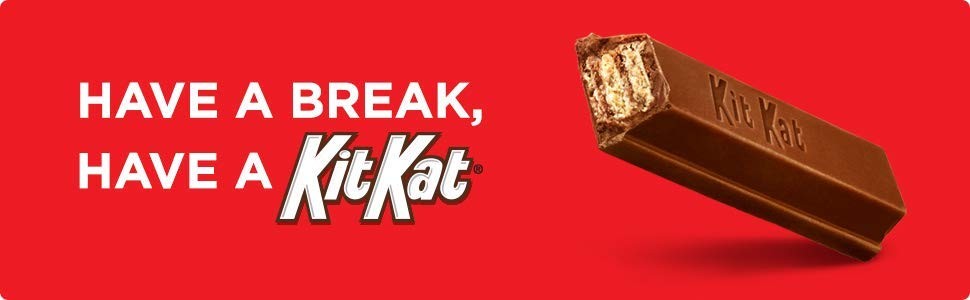
Kit Kat turned a simple chocolate bar into a universal break-time ritual with one of the best advertisements in snack marketing.
Brand: Kit Kat
Campaign Title: Have a Break, Have a Kit Kat
Product: Kit Kat chocolate bars
Target Audience: Everyday consumers, especially office workers and students
Goal: Make Kit Kat synonymous with taking a break
About The Ad:
First launched in the 1950s, this campaign positioned Kit Kat as the go-to snack during work or study breaks. With its catchy and versatile tagline, the ads ran globally in TV, print, and digital formats, making it one of the longest-running advertisement campaigns in history.
Why it was Successful:
The message was universal—everyone needs a break. By owning that simple idea, Kit Kat became more than a candy; it became a ritual. This timeless branding still keeps the slogan relevant today.
Results:
Kit Kat grew into one of Nestlé’s most successful brands worldwide. The campaign is widely recognized as one of the best ads of all time and a classic ad campaign example of slogan-driven marketing.
Conclusion: The Legacy of Advertisement Campaigns
From Apple’s “1984” to Pepsi’s bold “Pepsi Challenge,” the best advertisement campaigns have shaped not just industries, but entire cultures. These famous advertisements remind us that successful marketing is more than selling—it’s about sparking emotions, telling stories, and creating connections that last a lifetime. The best ads of all time continue to inspire marketers and businesses by showing how creativity, strategy, and timing can turn a simple idea into a global phenomenon.
Our Digital Marketing Agency help brands craft campaigns that resonate with their audience. Whether it’s building your brand story, running high-performing social media ads, or designing content that engages, we specialize in strategies that get results.